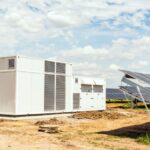
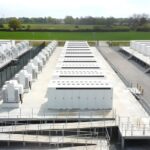

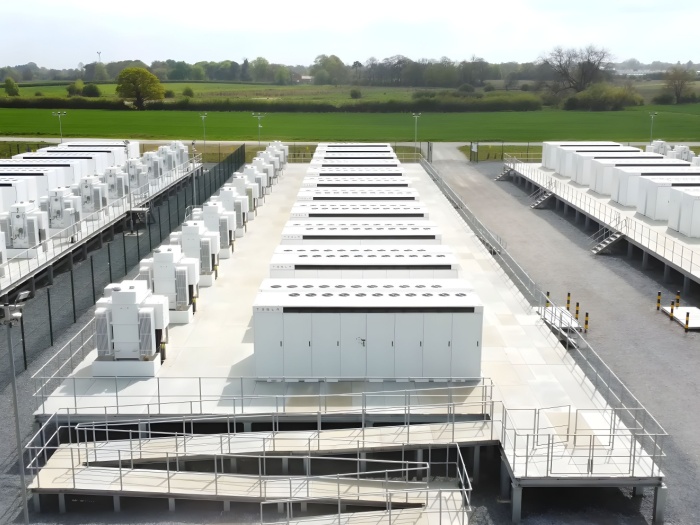
The U.S. energy storage industry installed 14.3 gigawatt-hours (GWh) of new capacity in the third quarter of 2026, bringing installations through September to 48.3 GWh, according to the Q4 2026 Energy Storage Market Outlook from the Solar Energy Industries Association (SEIA) and Benchmark Mineral Intelligence.
Total installed capacity nationwide has now passed 200 GWh, and installations are up 20% from the same period last year.
The report raised its 2030 forecast by 3.7% to 708 GWh of cumulative capacity across grid-scale and behind-the-meter systems. Texas led utility-scale deployment through Q3 with 12.3 GWh, followed by Arizona at 7.7 GWh and California at 6.8 GWh.
Eleven states have already topped their previous annual installation records with three months left in the year: Colorado, Massachusetts, Utah, Michigan, Georgia, Mississippi, Virginia, Iowa, Montana, Alabama, and Illinois.
“Voters made it clear that they want lower prices, and the growing deployment of energy storage is helping make that happen. We’re urging Congress to pass BAAJA to build out America’s energy infrastructure and put downward pressure on prices,” said SEIA CEO Tim Pawlenty, in a statement.
SEIA is urging Congress to pass the Bipartisan American Affordability and Jobs Act, which it says would speed storage deployment and lower project costs. More than 300 solar and storage companies sent lawmakers a letter backing the bill last week.
Read more here.