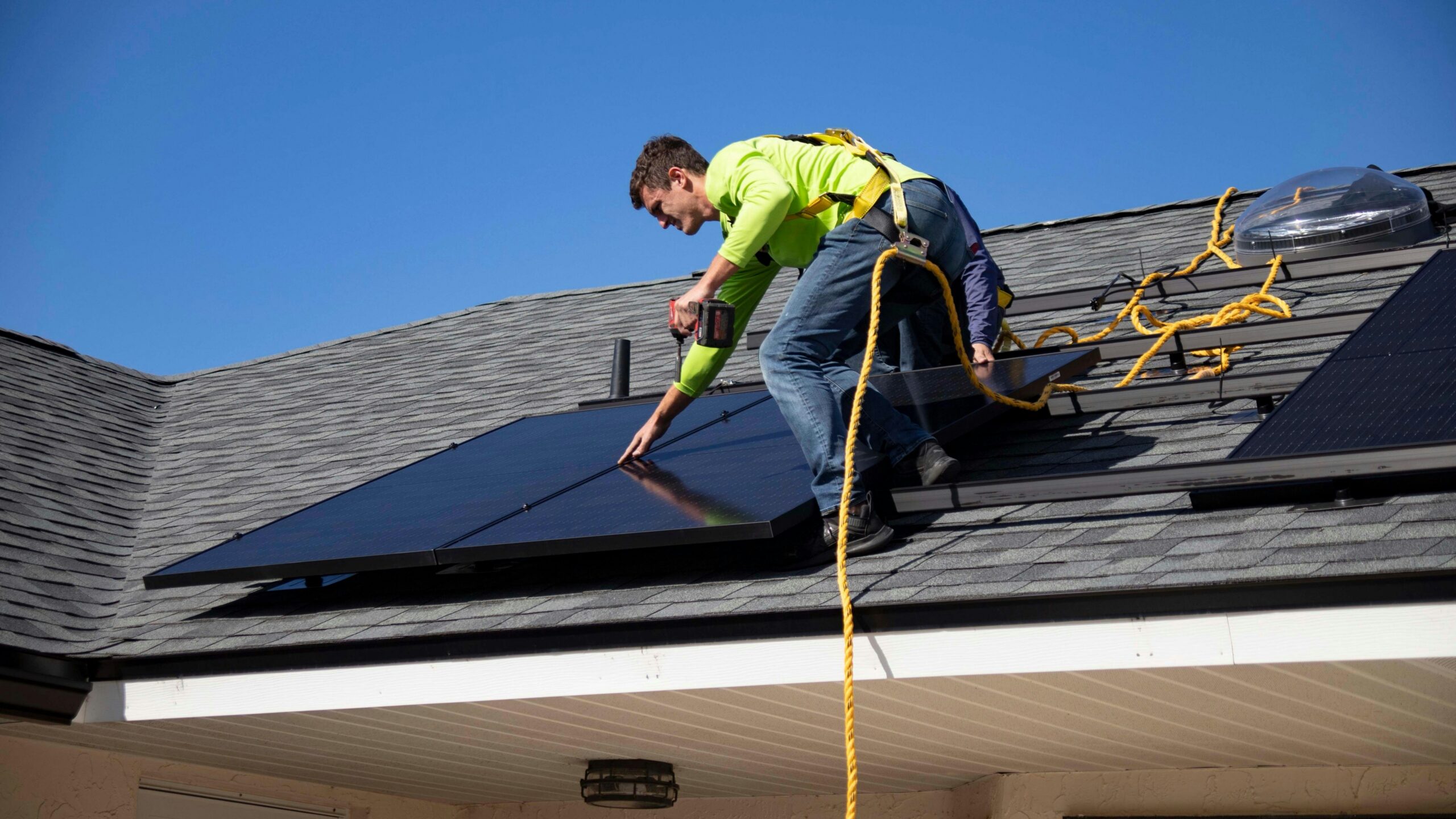
Tesla has ended its Solar Roof product line, notifying certified third-party installers in August that it would supply only conventional solar panels going forward.
According to Electrek, over roughly seven years, the company installed approximately 3,000 systems across the United States, well short of the 1,000 weekly installations CEO Elon Musk had projected for 2019-2020. Tesla determined internally that the product was not financially viable.
The contractors who sold and installed the product are now navigating the fallout. Becoming a certified Solar Roof installer required sending crews to multi-week training programs on the West Coast and completing three supervised installations before certification, an investment that some contractors reported totaled hundreds of thousands of dollars when factoring in crews, tooling, and program costs.
The product itself took approximately two weeks to install, compared to about two days for a conventional rack-mounted solar system. Contractors are now working to modify active projects or transition customers to alternative systems mid-pipeline.
Several installers said they were reluctant to speak publicly about their losses, as they continue to sell other Tesla energy products including solar panels and Powerwall and are concerned that open criticism could affect those business relationships.
Tesla has stated it will honor existing warranties and continue supplying replacement parts for installed systems. Some contractors have raised concerns about long-term parts availability over the 25-year life of the product, and have flagged the high labor cost of servicing the tiles given the complexity of their electrical connections.
Read more here.