

AI-driven data centers are driving the fastest U.S. electricity demand surge in decades, with load growth now measured in tens of gigawatts. But while hyperscalers race to secure power, a less visible constraint is reshaping the market: achieving large load interconnection has become materially harder due to grid constraints, rising costs to ratepayers, and community concerns about who pays for new infrastructure.
In 2025, at least 25 U.S. data center projects were canceled following local opposition, eliminating nearly 5 gigawatts (GW) of projected demand. At least 99 more projects are currently being contested. Utilities and policymakers are openly questioning who pays for generation and transmission, how large loads affect electricity rates, and whether traditional interconnection frameworks can scale to AI-driven demand.
This reflects a structural shift in how large-load infrastructure is evaluated, approved, and financed – with speed, reliability, and execution certainty prioritized over cost optimization alone.
The Constraint No One Modeled
Data centers have become lightning rods for local opposition. The question of cost allocation has moved from technical review to public debate, creating execution risk even for well-capitalized projects.
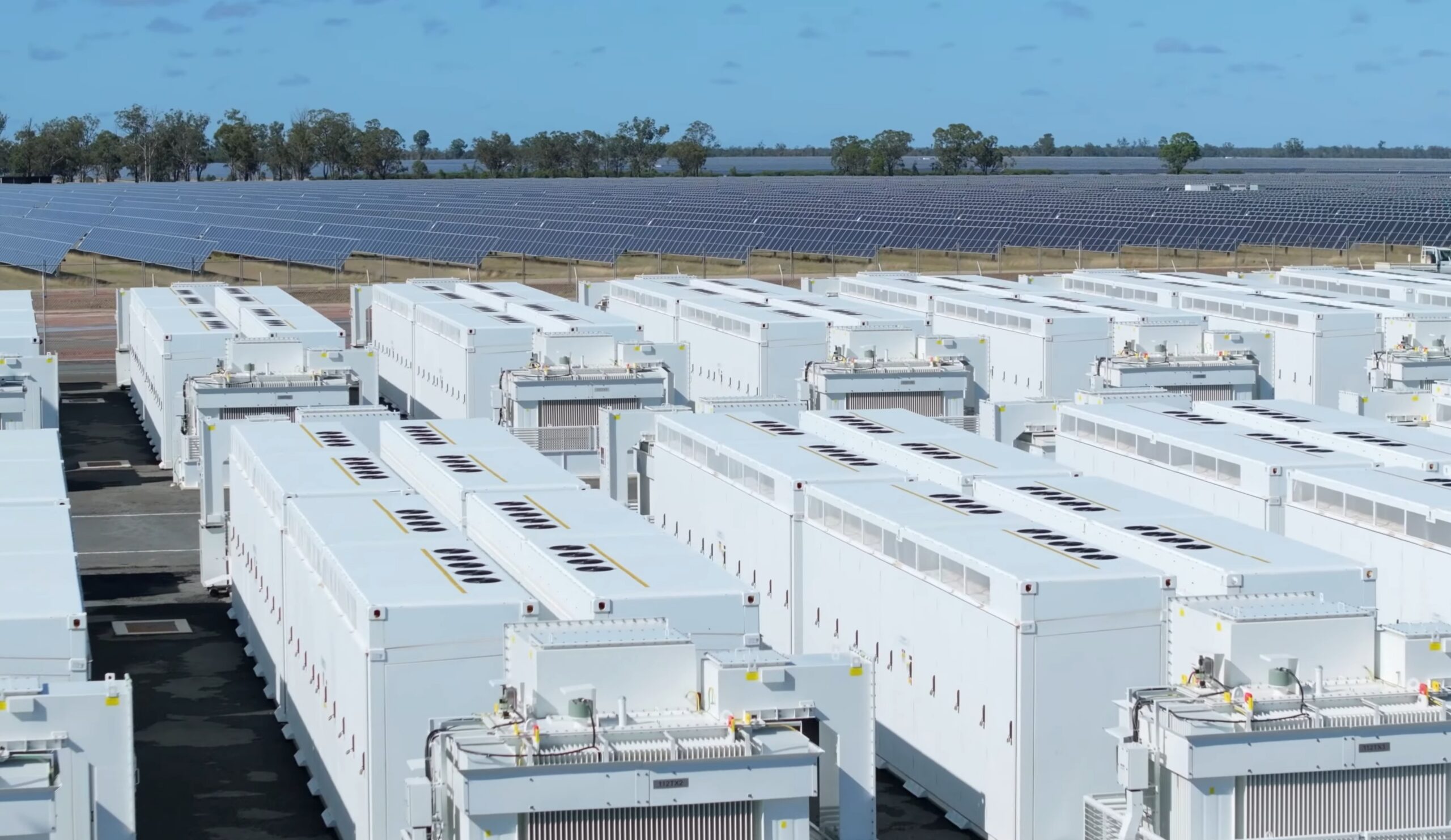
Solar plus storage has emerged as the dominant solution, but it’s winning for reasons most utility-scale developers haven’t anticipated. Hyperscalers are now signing multi-decade contracts with a fundamentally different set of priorities than those of conventional renewable energy project PPAs. Price per megawatt-hour has been subordinated to factors most developers haven’t structured their businesses around – and the projects moving forward reflect these new priorities.
The Window Is Closing
The 2025–2027 delivery window could be the most prolific procurement cycle in renewable energy development in over a decade. Competing effectively requires understanding which markets carry execution risk, what hyperscalers actually prioritize, how winning partnerships are structured, and which technical configurations separate baseline from competitive advantage.
The bottom line? The data center market has become more selective. Success now depends on delivery credibility, siting strategy, and execution speed – not just cost competitiveness.
Download the ebook, Power Under Pressure: Capturing the Data Center Boom, for market intelligence on regional hotspots, PPA structuring frameworks, hybrid system design strategies, and proven delivery models to secure multi-decade contracts with investment-grade offtakers.