
Colorado lawmakers have signed HB26-1007 into law, removing barriers to plug-in solar panels and establishing safety standards for their use across the state.
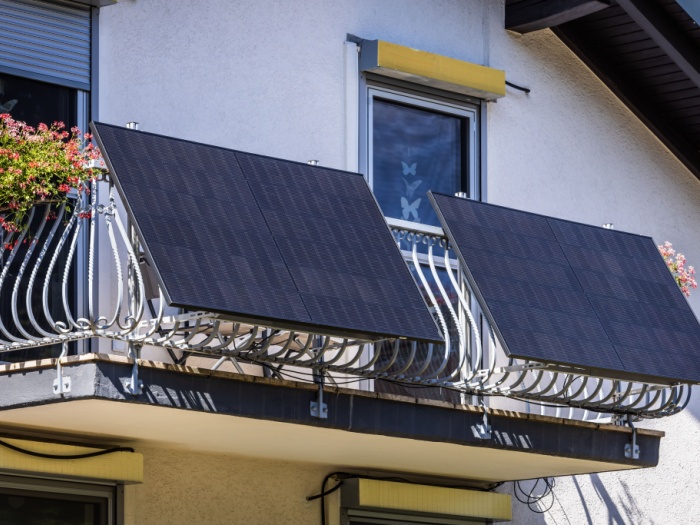
Plug-in solar, also referred to as balcony solar, consists of one to four solar panels plus an inverter and optional battery, and can be plugged directly into a home electrical outlet.
The technology is more affordable than traditional rooftop solar and is designed for simple installation, making it accessible to renters and those living in apartments or shared spaces who may not qualify for conventional rooftop systems.
“This new law reduces barriers and establishes safety standards so that Coloradans who want a reliable, affordable source of renewable energy can use plug-in solar panels,” said Senator Cathy Kipp, in a statement.
The new law requires all plug-in solar devices to meet the UL 3700 product safety standard and encourages the use of meter collars — devices installed between an electric meter socket and a utility billing meter that allow customer-owned solar devices to connect directly to the grid without a costly electrical panel upgrade.
Plug-in solar is already widely adopted in Europe, with approximately 4 million households in Germany using the technology. With the passage of HB26-1007, Colorado joins Utah as an early adopter of plug-in solar in the United States.
Kipp continued, “Coloradans are interested in plug-in solar for a variety of reasons like reducing their carbon footprint, lowering their utility bills, or ensuring a reliable back-up source of energy in the case of a power outage. No matter their reasoning, Coloradans should be able to pursue this technology without unnecessary barriers.”
Read more here.