For developers, engineering, procurement, and construction firms, and distributors tracking where the next wave of project opportunity will come from, Jason Houck, Policy Director at Form Energy, points to two market shifts worth building a strategy around. States with aggressive clean energy goals—including California, Massachusetts, and Virginia—have set gigawatt-scale procurement targets specifically for long-duration storage (10 to 24 hours) and multi-day storage (beyond 24 hours). These are “no regrets” targets designed to de-risk a still-emerging resource class, which means early movers who understand this technology now will be positioned ahead of the curve as Midwest states like Illinois and Michigan likely follow.
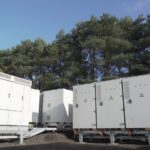
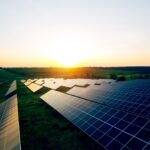
The second shift is the rise of large load tariffs, driven by data centers and artificial intelligence infrastructure scaling up demand for firm, round-the-clock clean power at a size and speed not seen before. Form Energy’s partnership with Xcel Energy—a 300-megawatt, 30-gigawatt-hour battery, the largest in the world by energy capacity, built as part of a 1.9-gigawatt wind, solar, and storage portfolio for a new Google data center in Minnesota—offers a real-world template for how these larger deals get structured and financed.
For practitioners, the takeaway is practical: blended portfolios combining wind, solar, short-duration storage, and long-duration storage are becoming the standard structure for meeting large load demand reliably and cost-effectively.